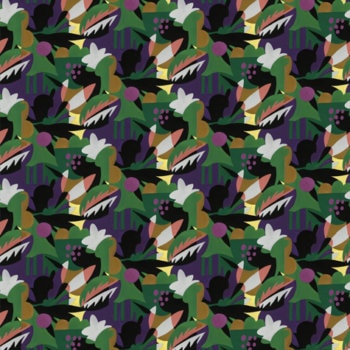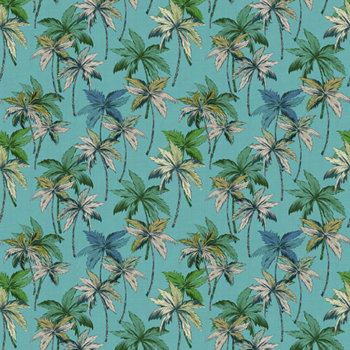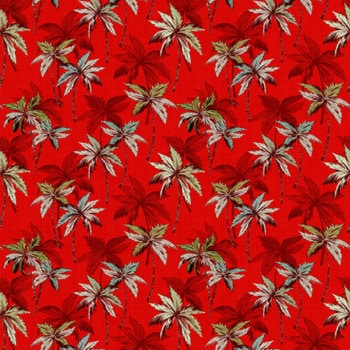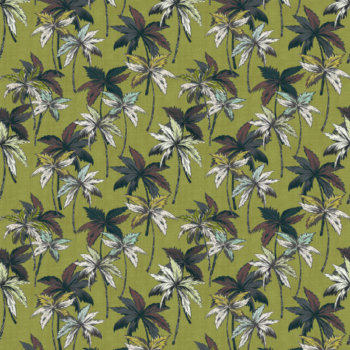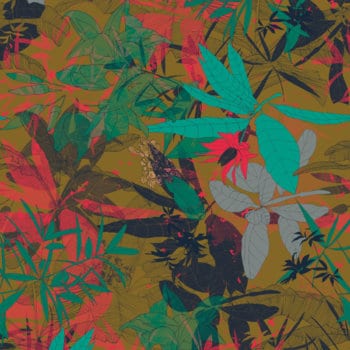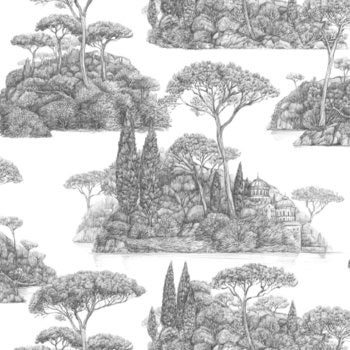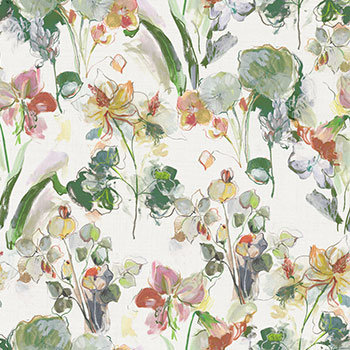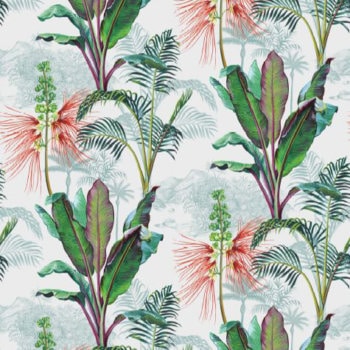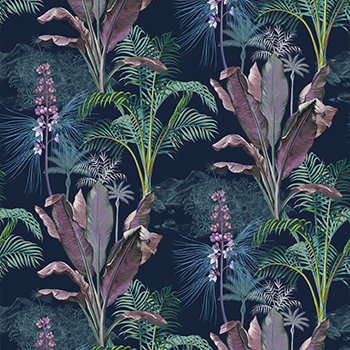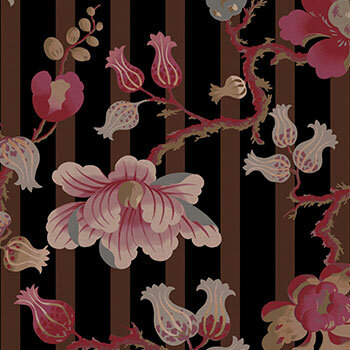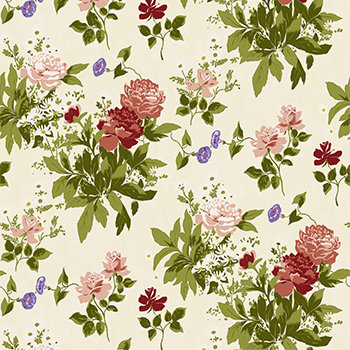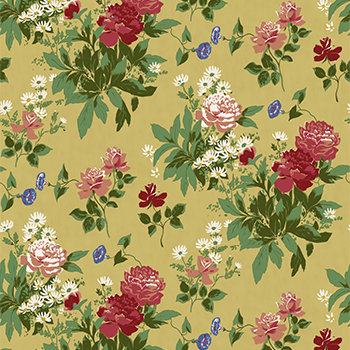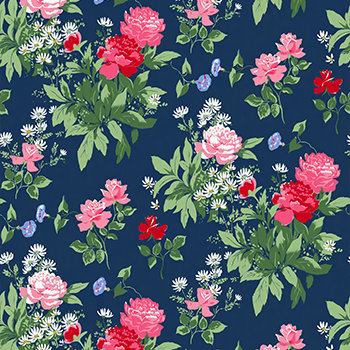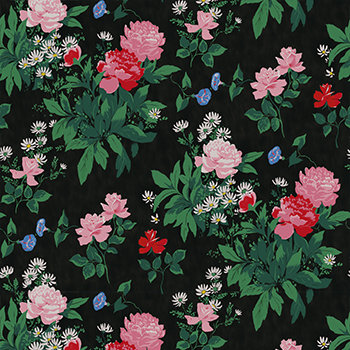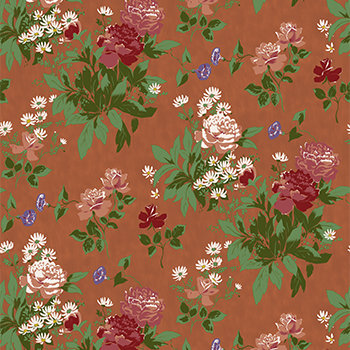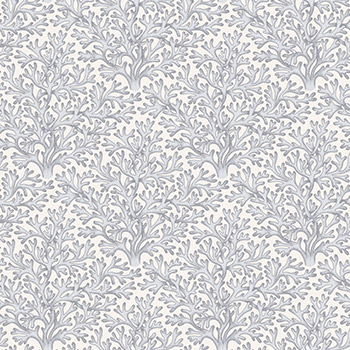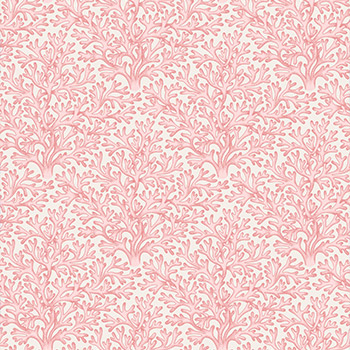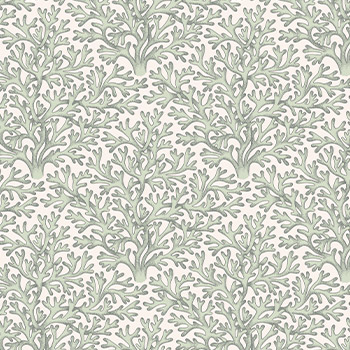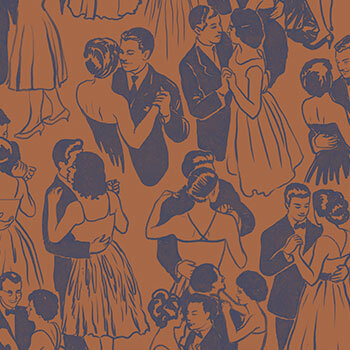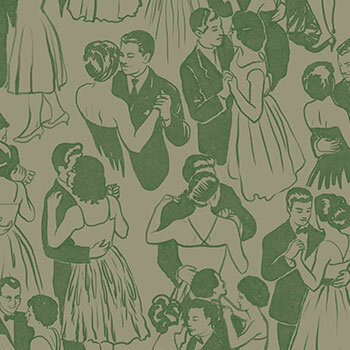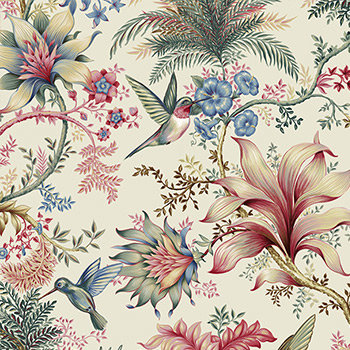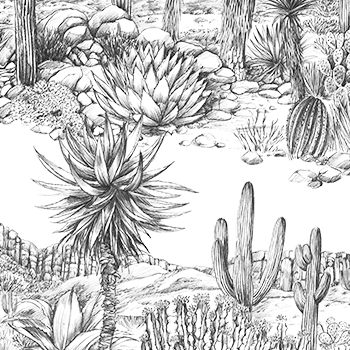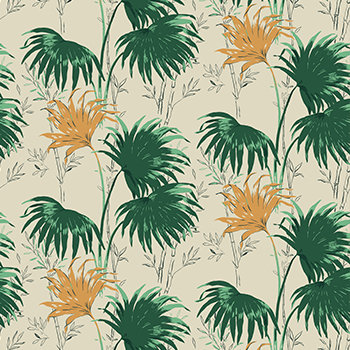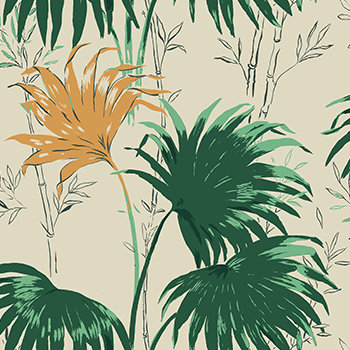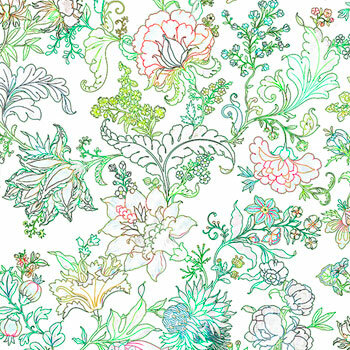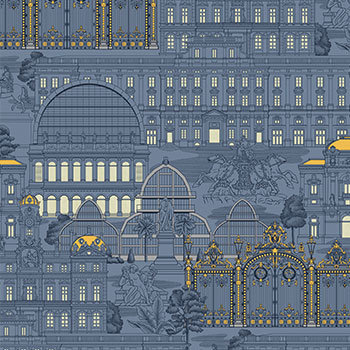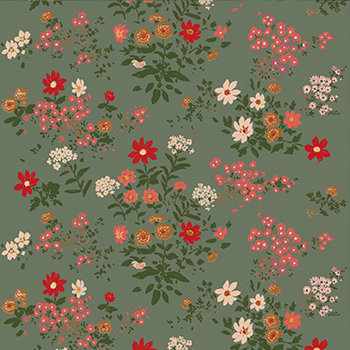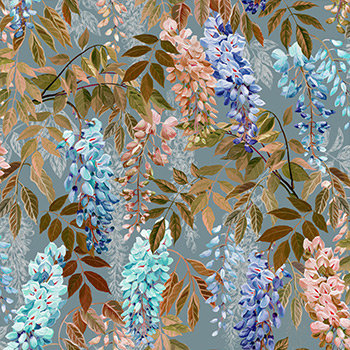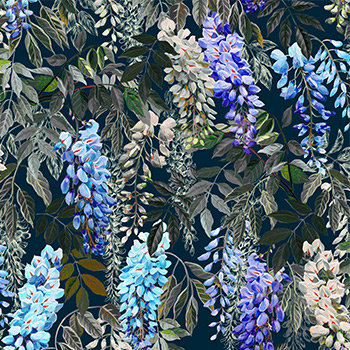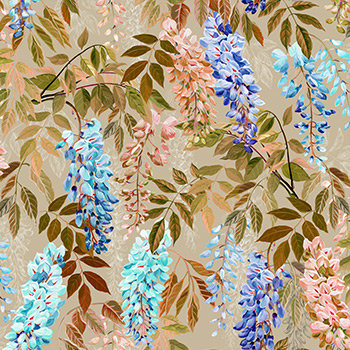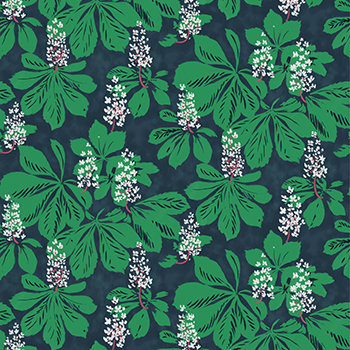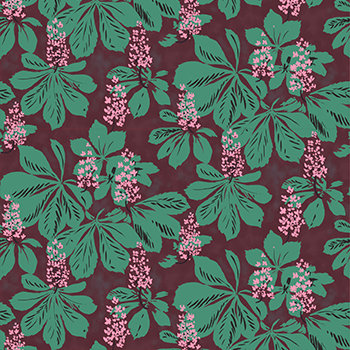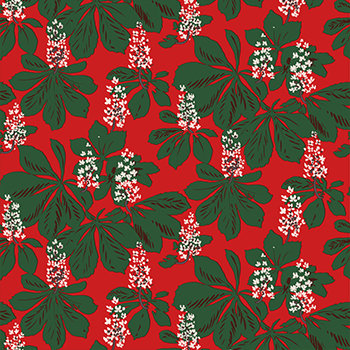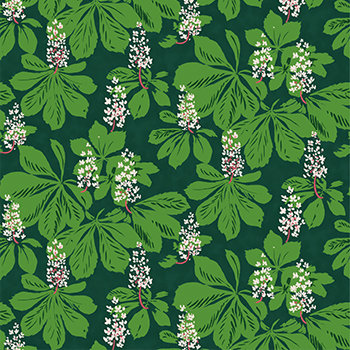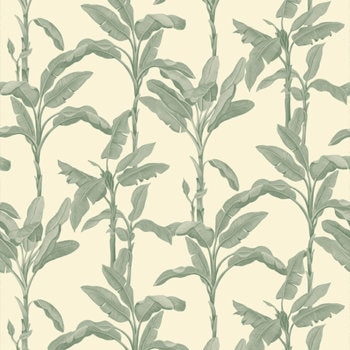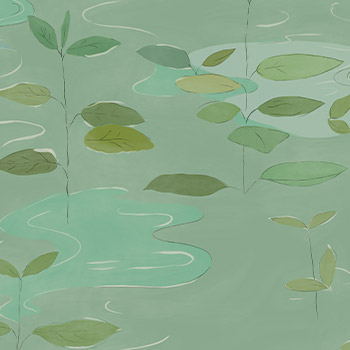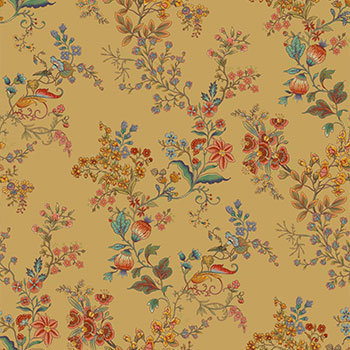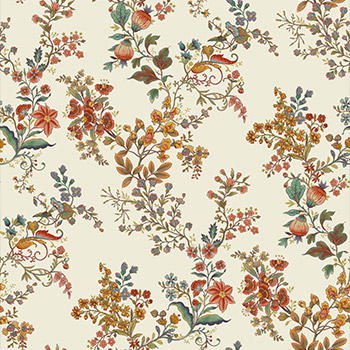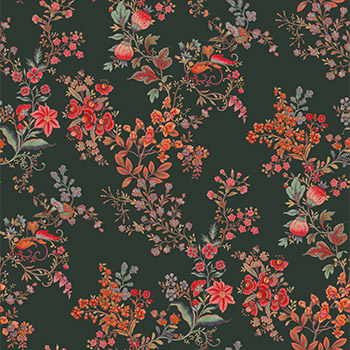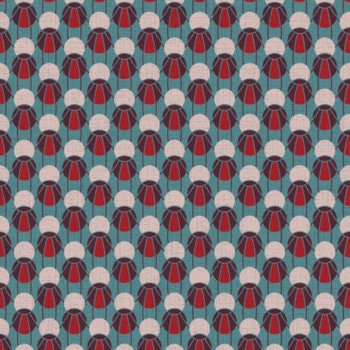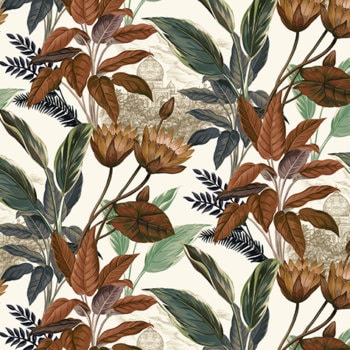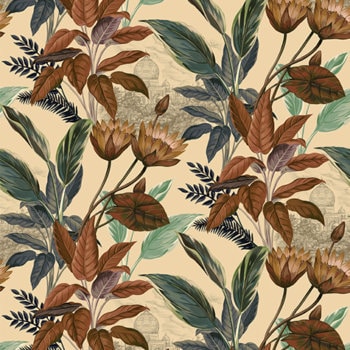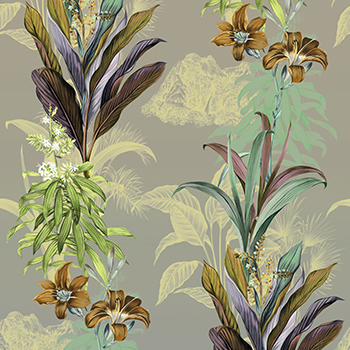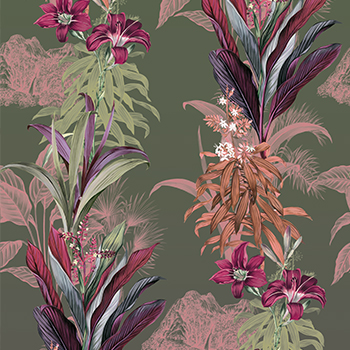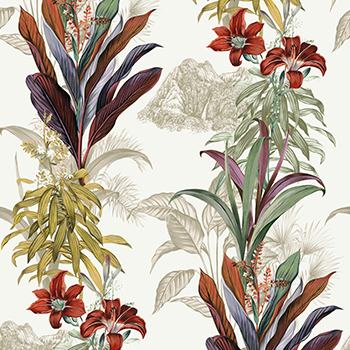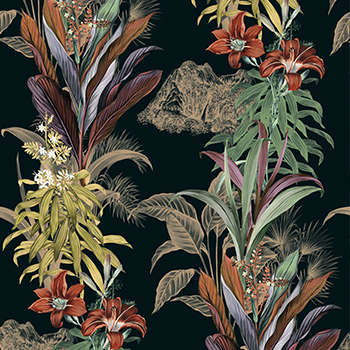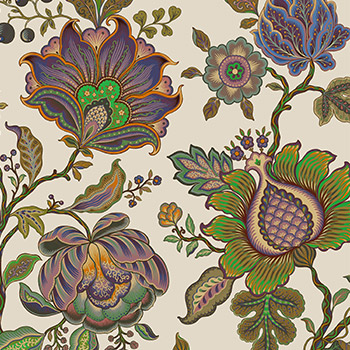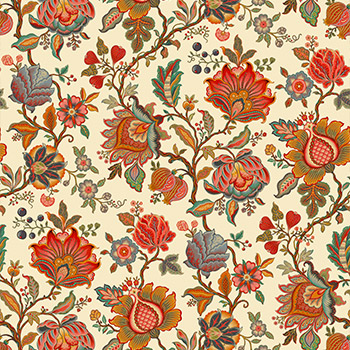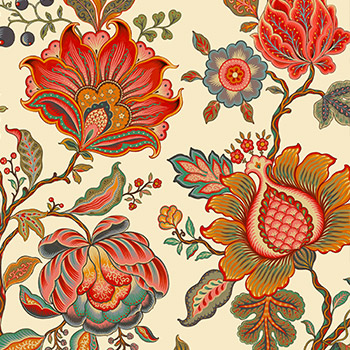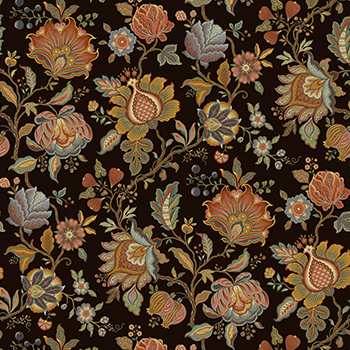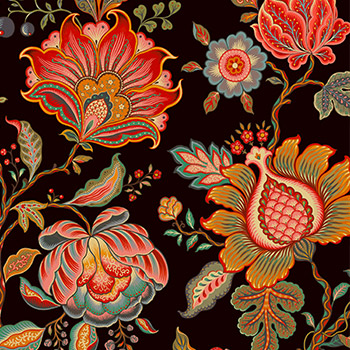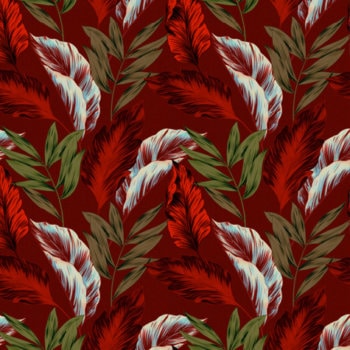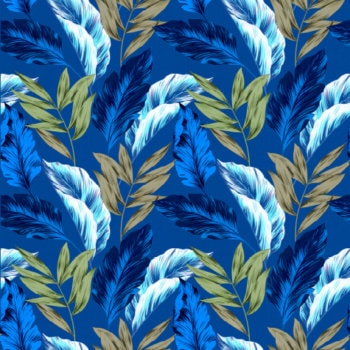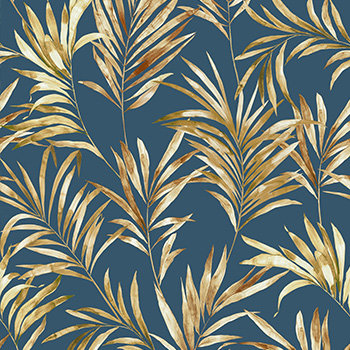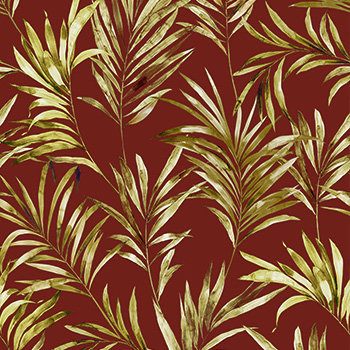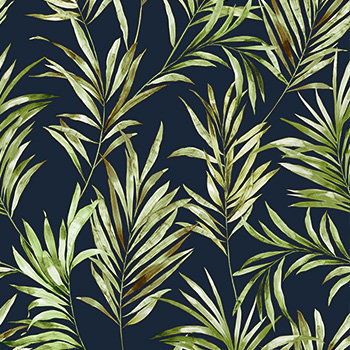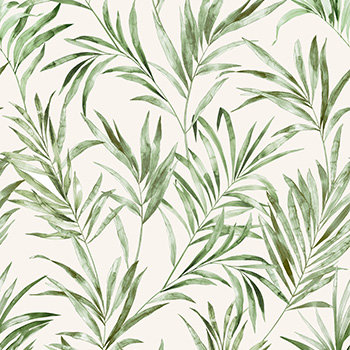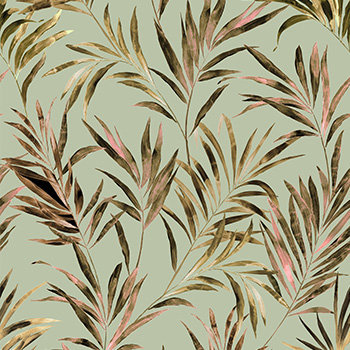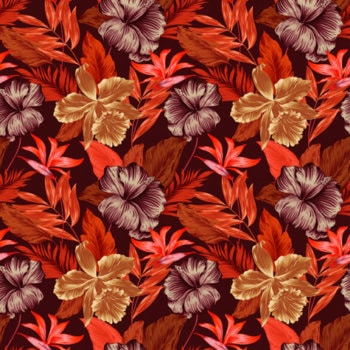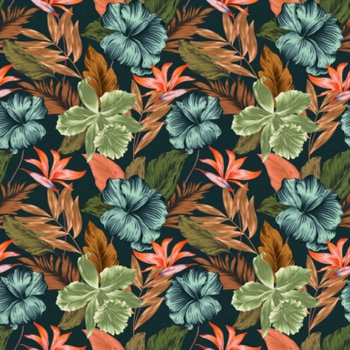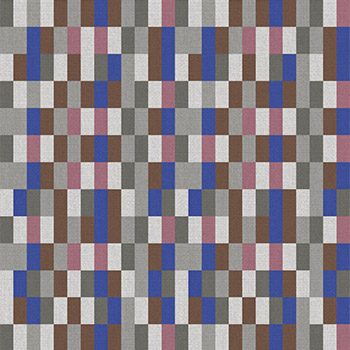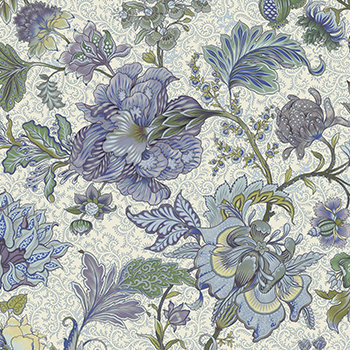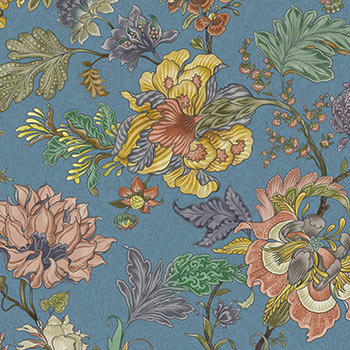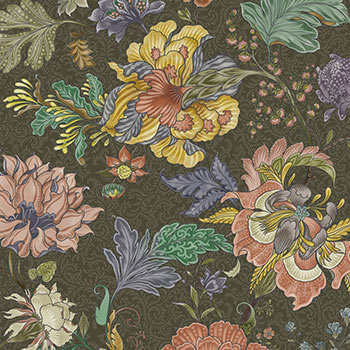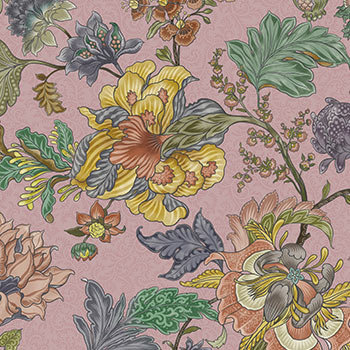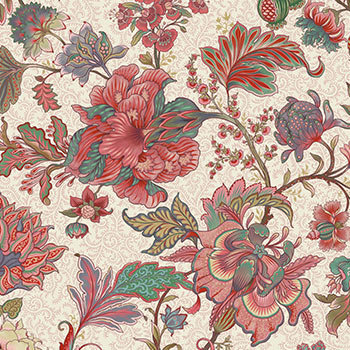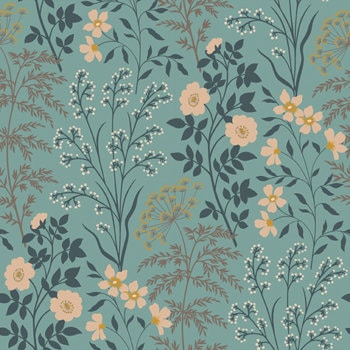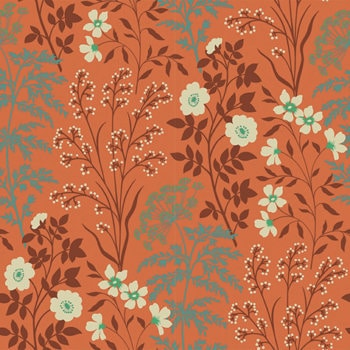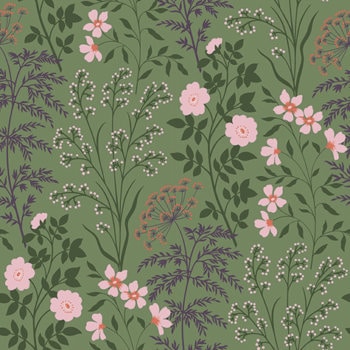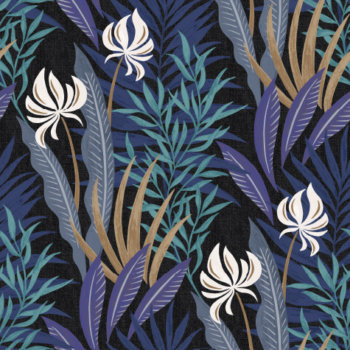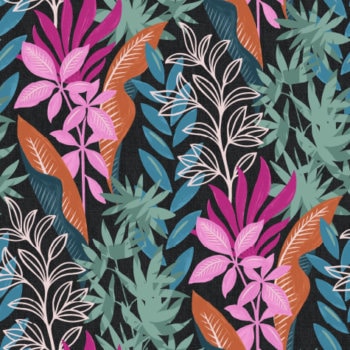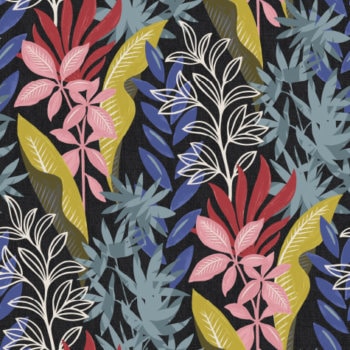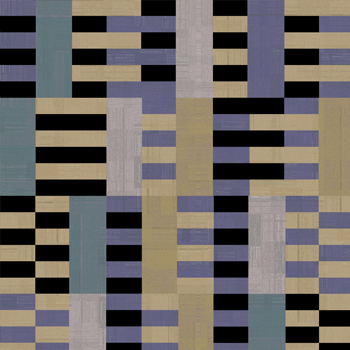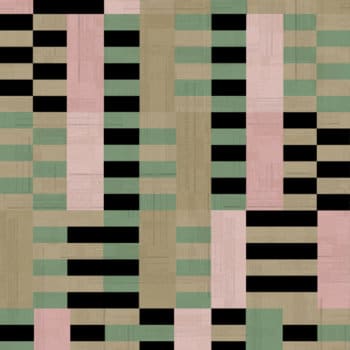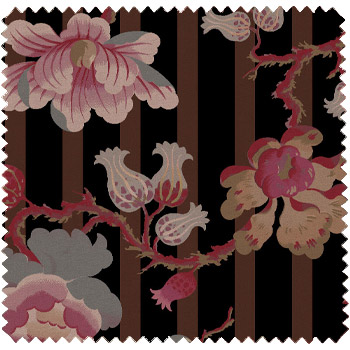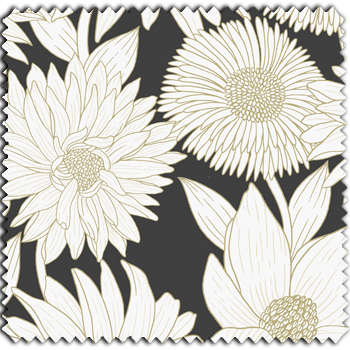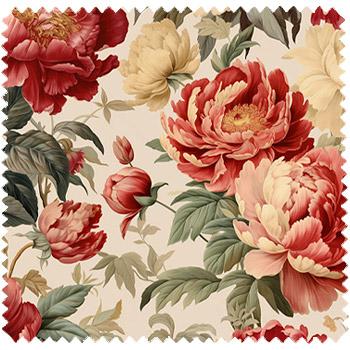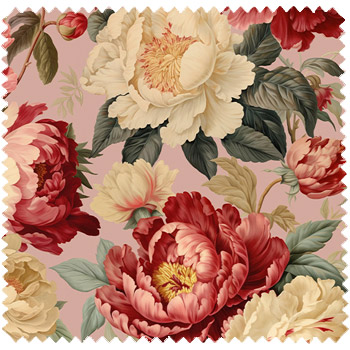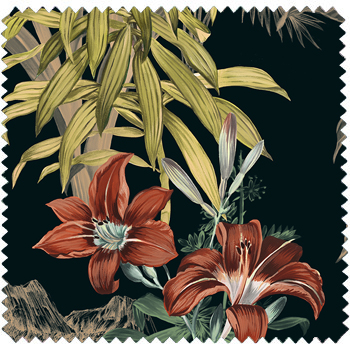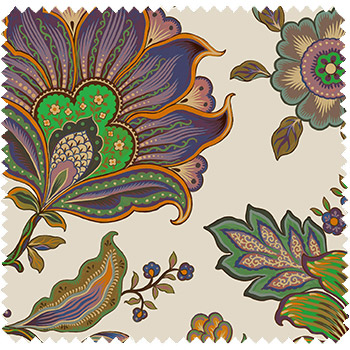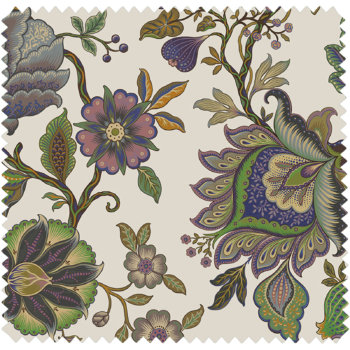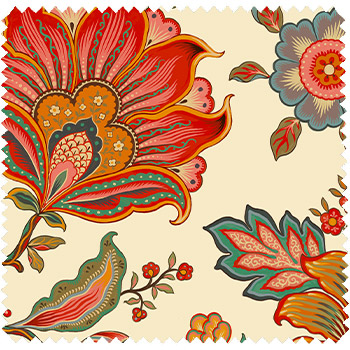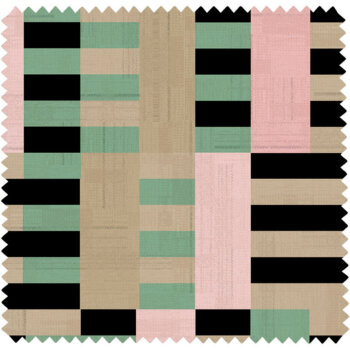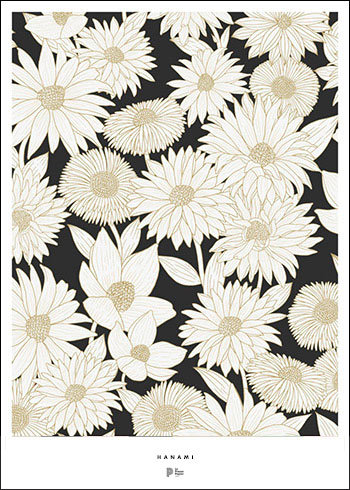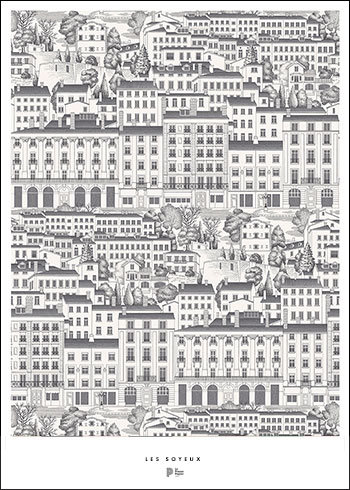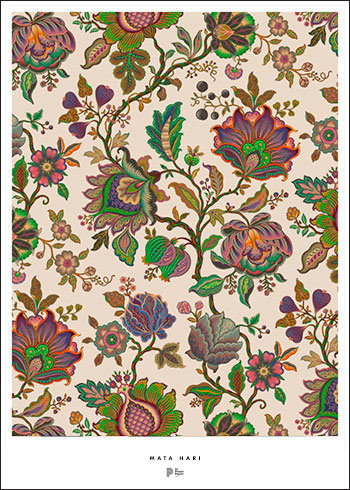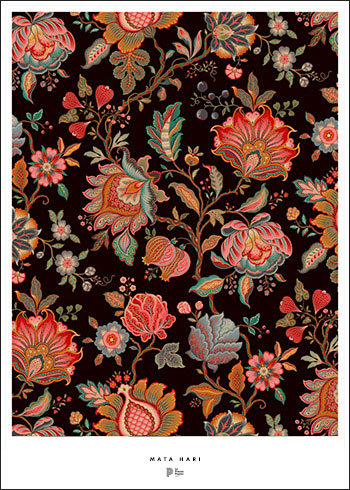
20th Century Textile & Wallpaper
The century of rupture
After 19th century's historicism, the 20th century turns resolutely towards future and modernity.
Following the industrial era, it is marked by the search of progress. The Electricity Fairy celebrated by Raoul Dufy changes lifestyles, in the same way as the automobile and the use of new materials in architecture such as concrete.
In the artistic field, artists seek singularity. The Cubism of Braque and Picasso, the Abstraction of Kandinsky, Dadaism carried in particular by Cocteau, a protean figure of the avant-garde, also a designer and poet, the music of Debussy and Stravinsky, Diaghilev's ballet shows a taste for novelty which does not exclude a perfect knowledge of the contributions of the past.
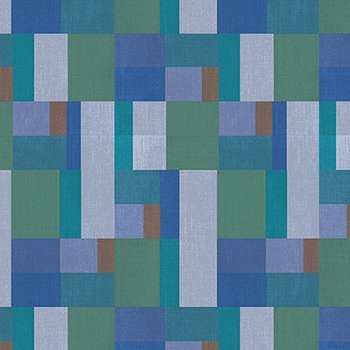
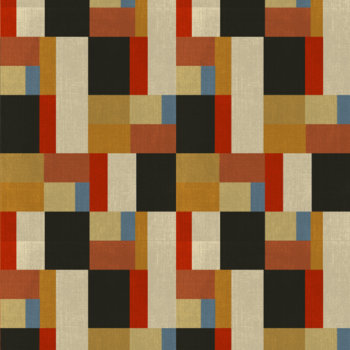
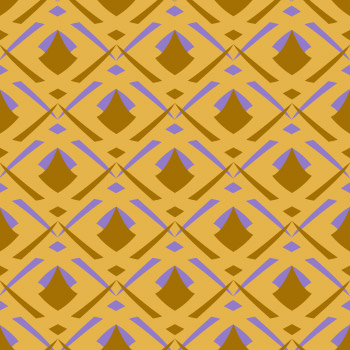
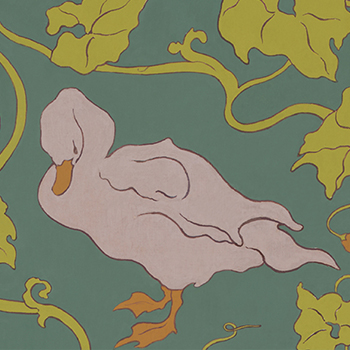
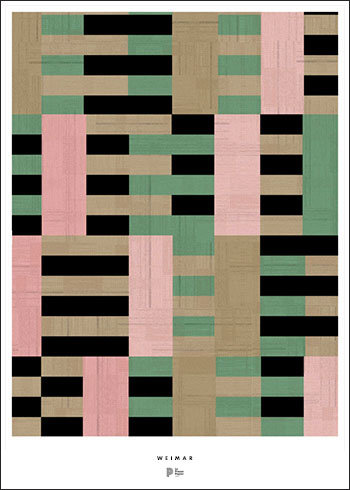
Decorative arts were also driven by this desire for change: Art Nouveau and its motifs inspired by fauna and flora, composed of volutes, curved lines and arabesques opened the century, then Art Deco arised using geometric shapes, symmetry and rigor. Modernist movements like Bauhaus, De Stijl group or the International Style, impacted by the two World Wars, economic and social fluctuations, tend through design towards universality, the return of the collective and seek to bring in Beauty in everyone's daily life.
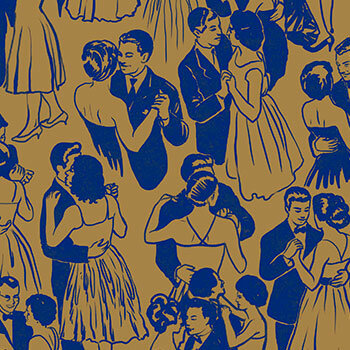
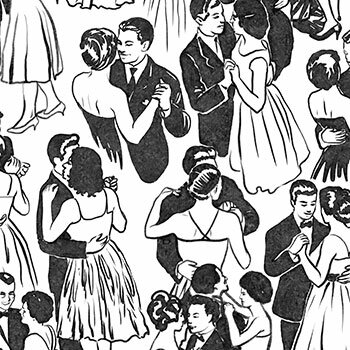
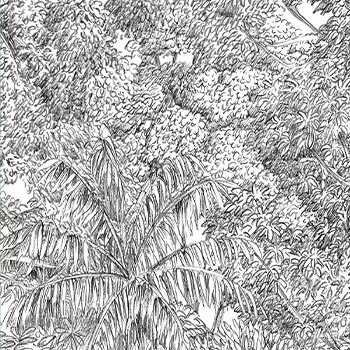
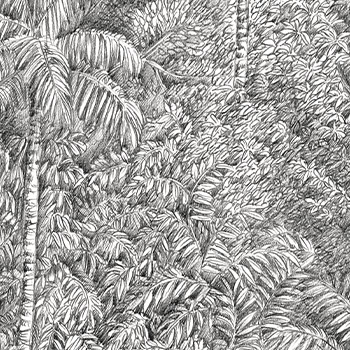
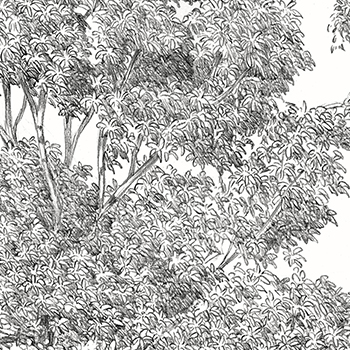
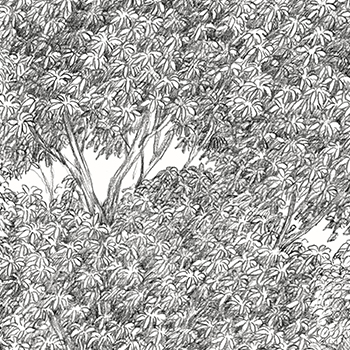
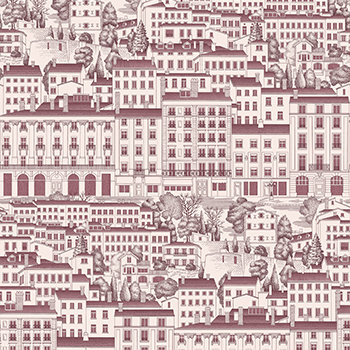
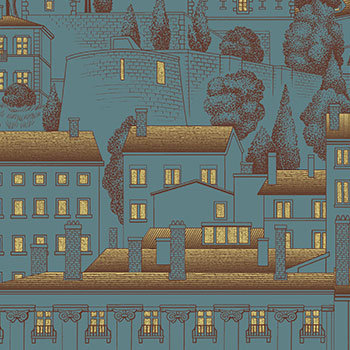
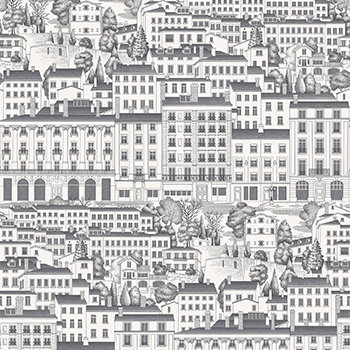
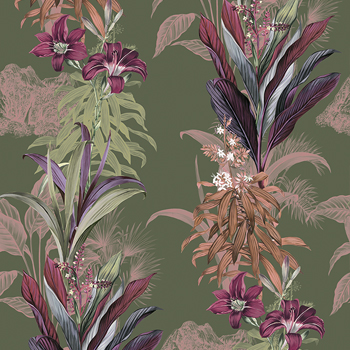
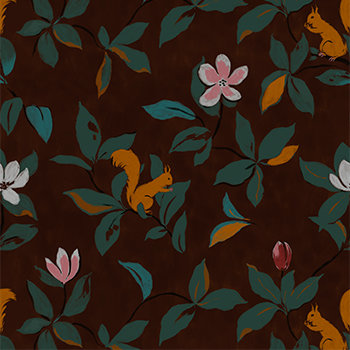
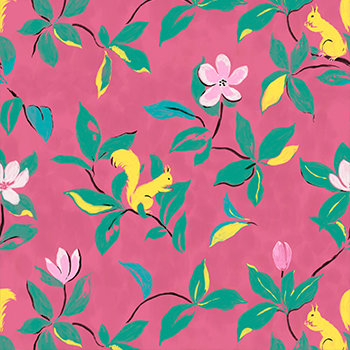
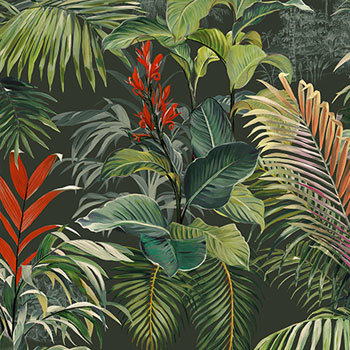
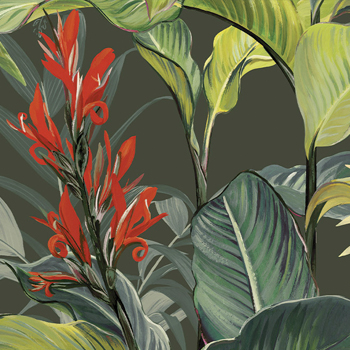
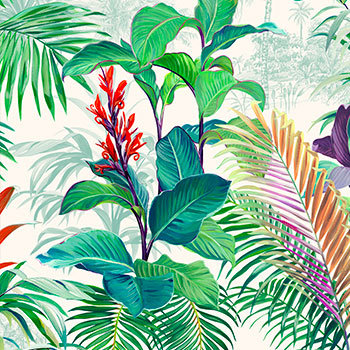
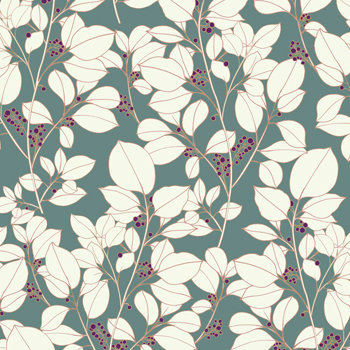
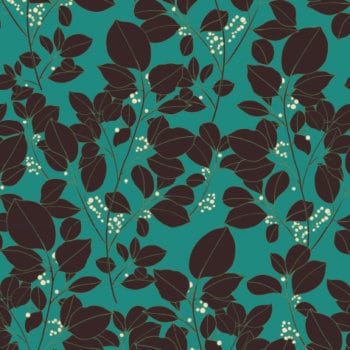
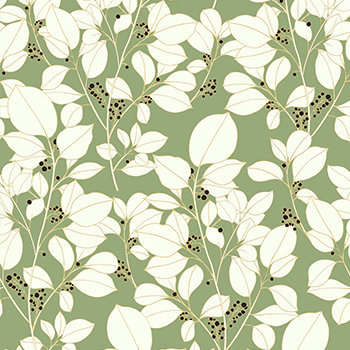
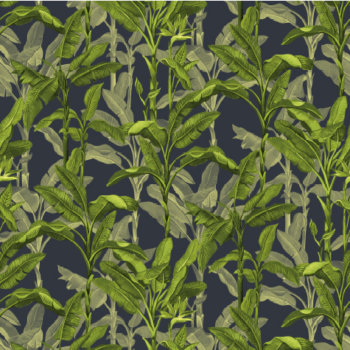
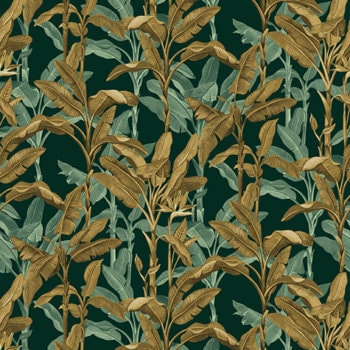
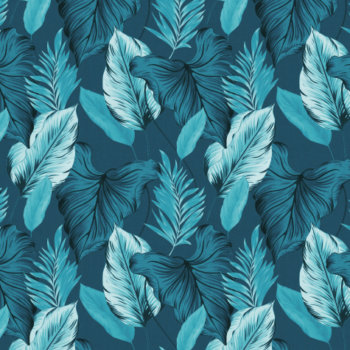
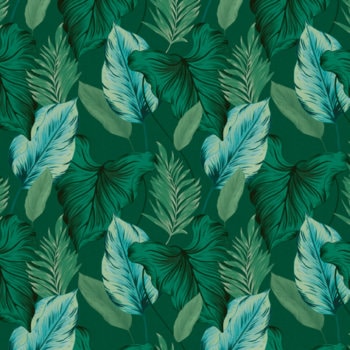
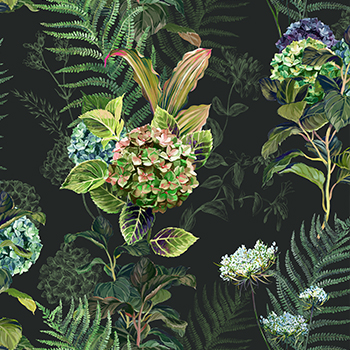
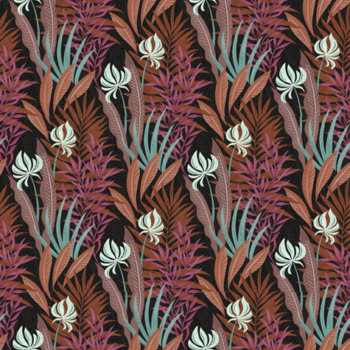
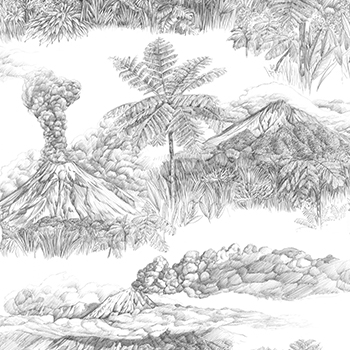
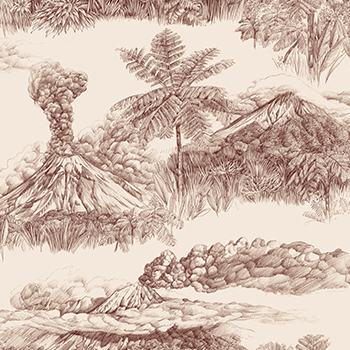
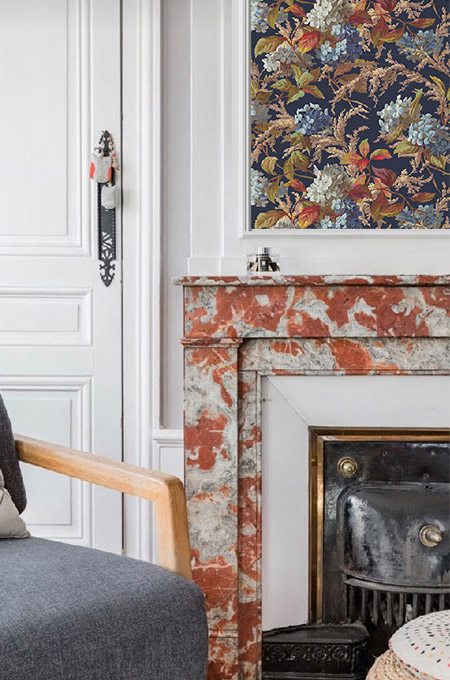
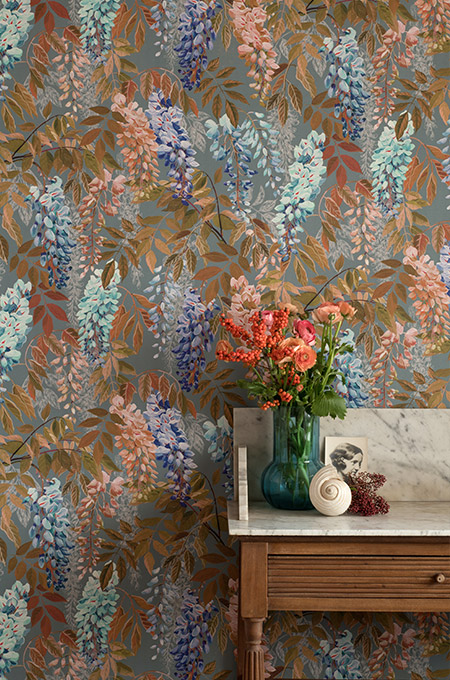
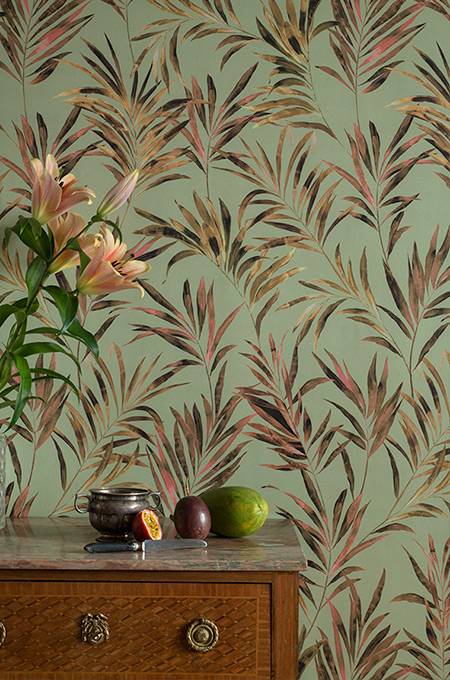
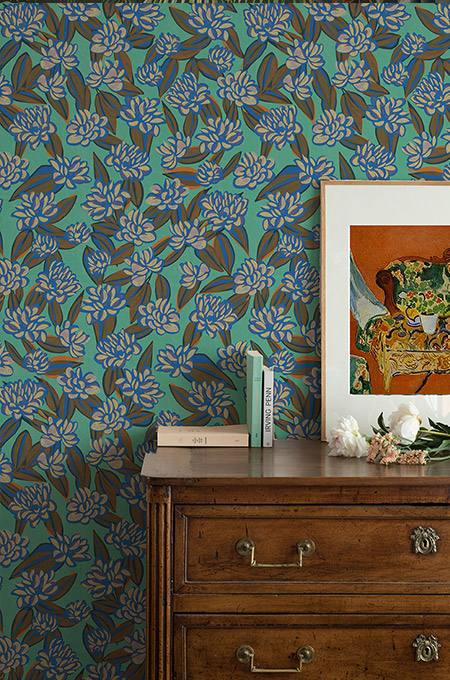
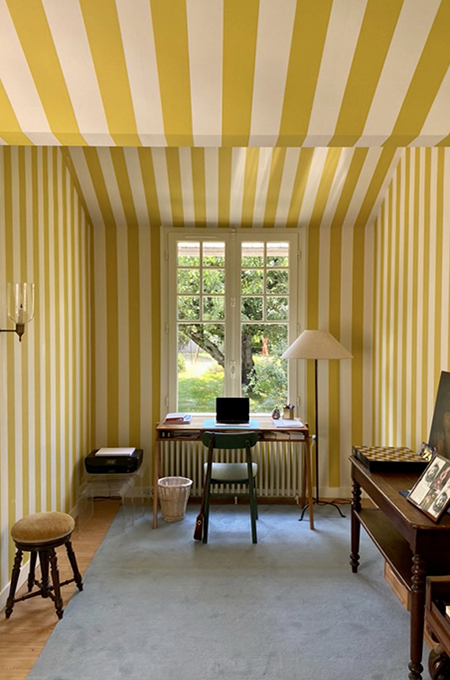
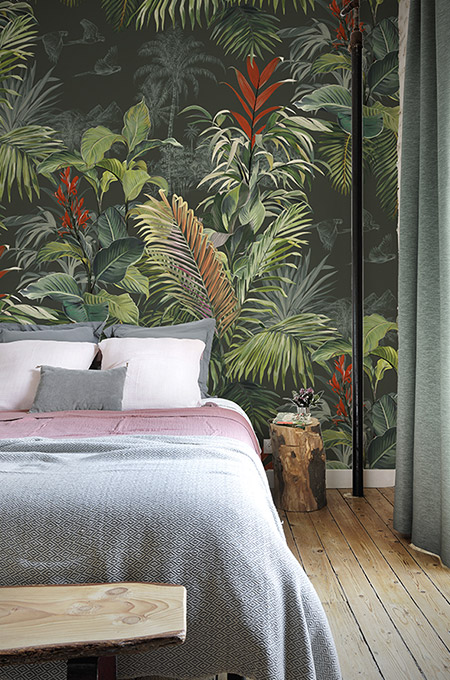
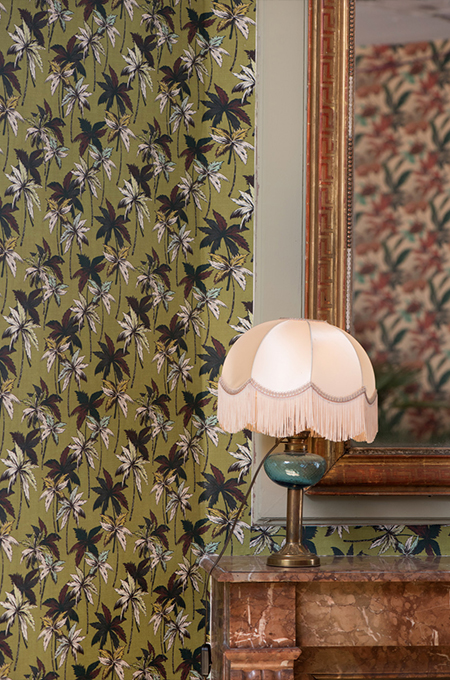
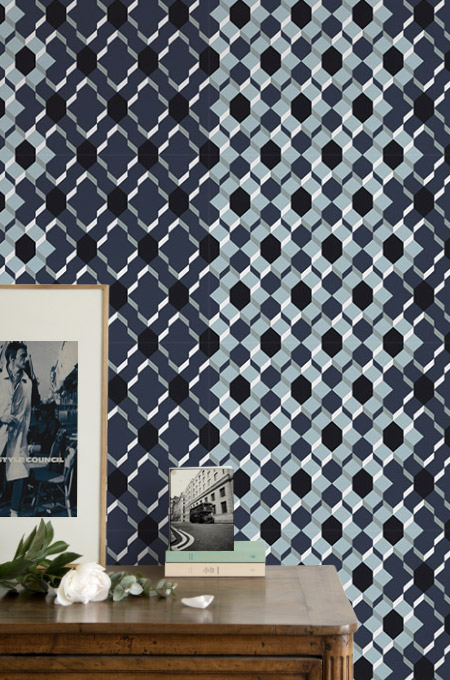
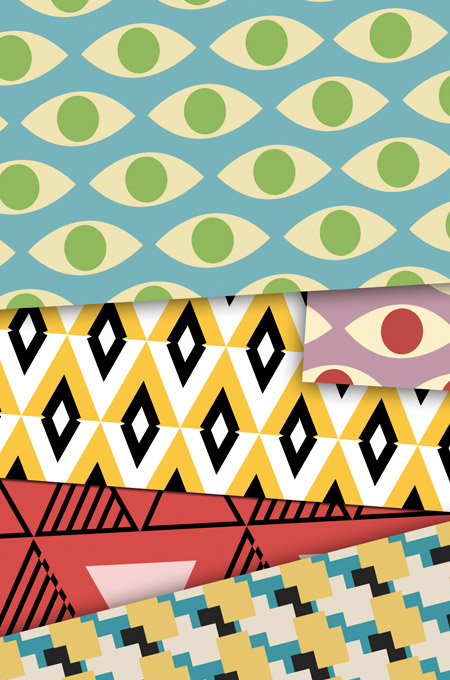
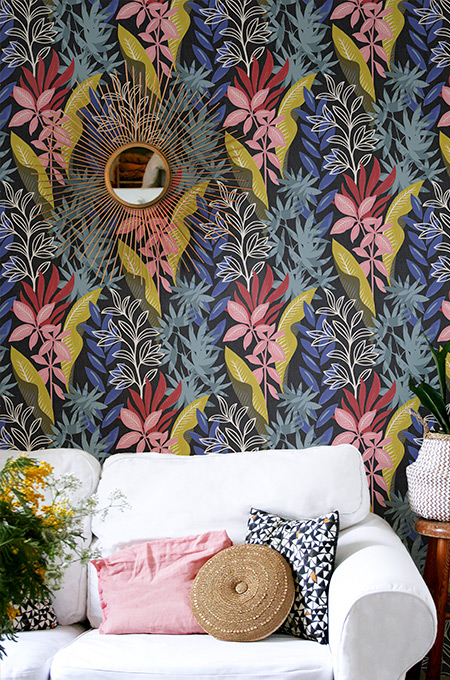
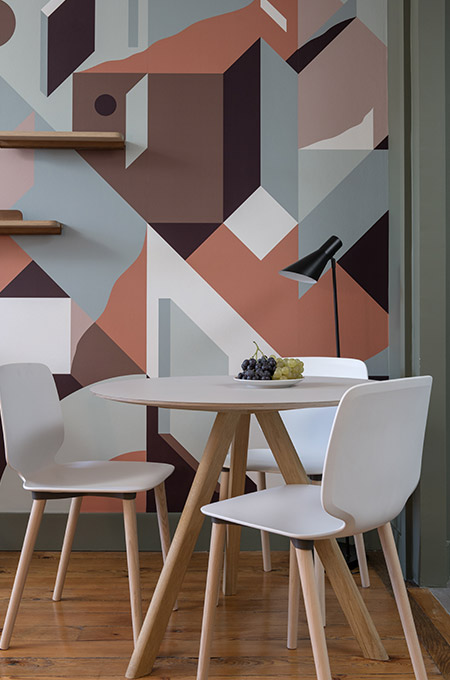
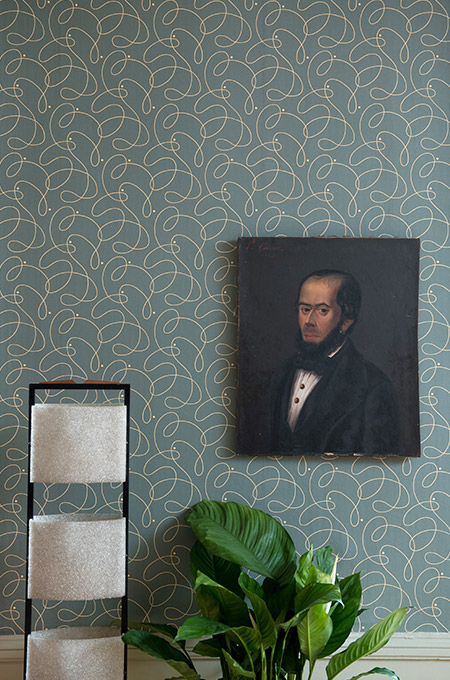
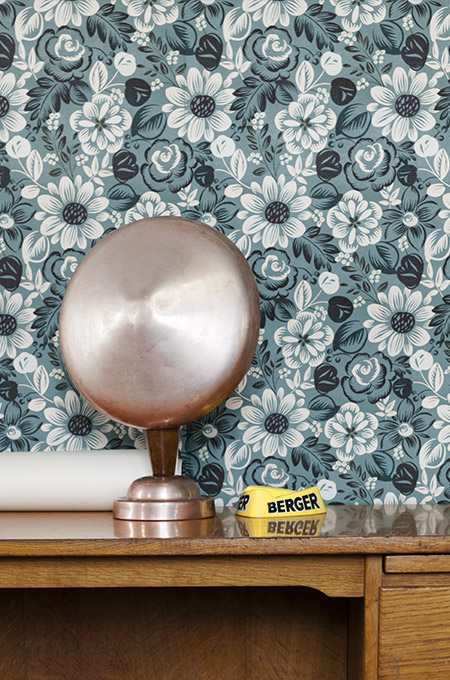
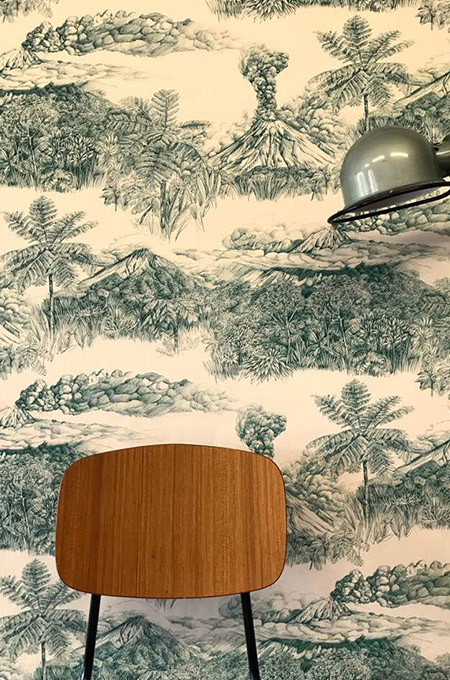
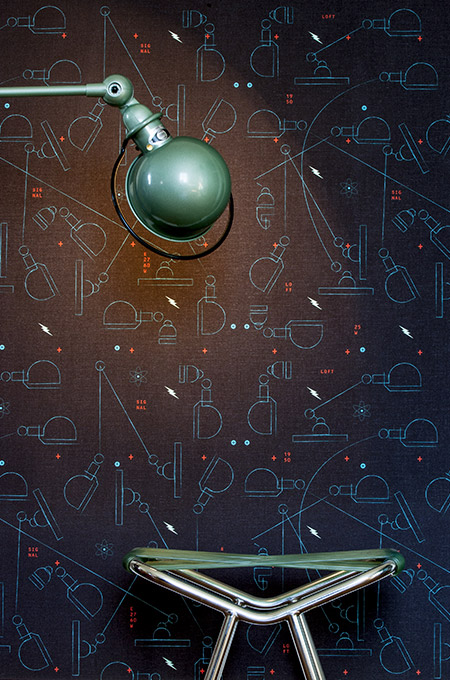
Throughout the century, wallpaper will also play a key role in the redefinition of interior spaces, imbued with the creativity of the artistic movements that punctuated this era.