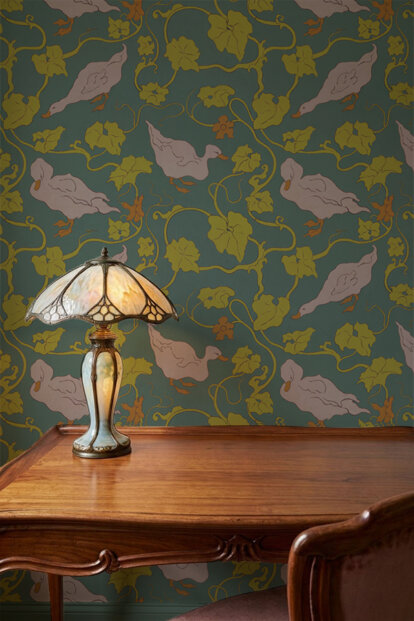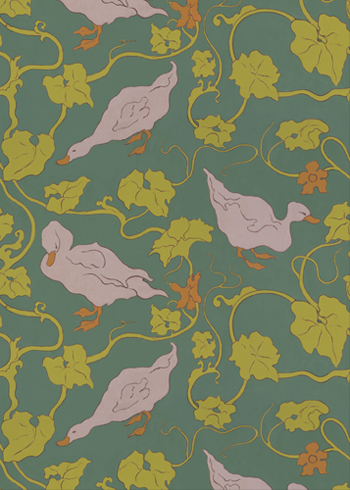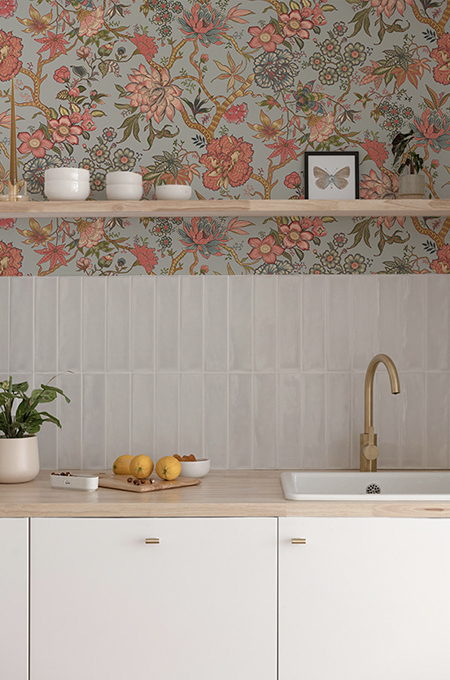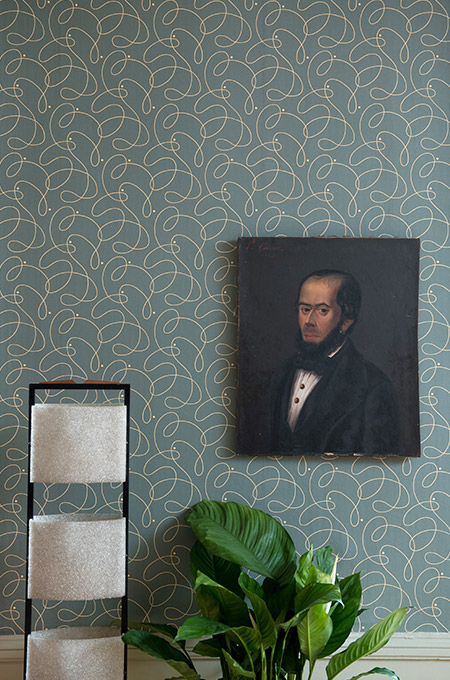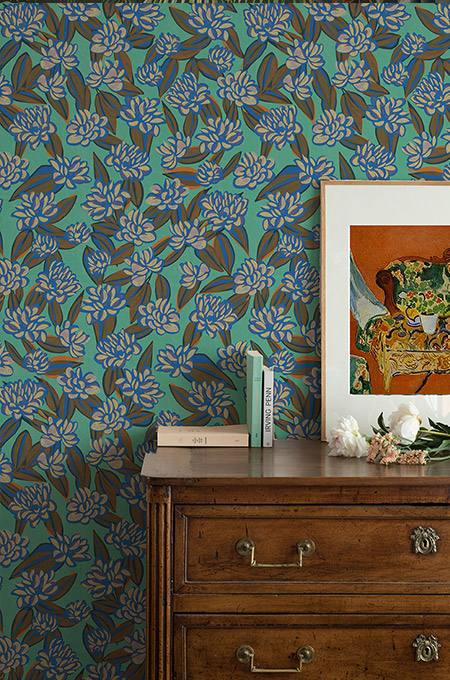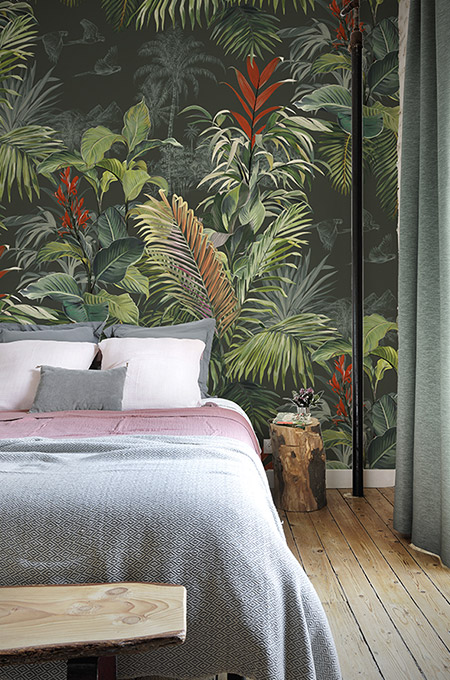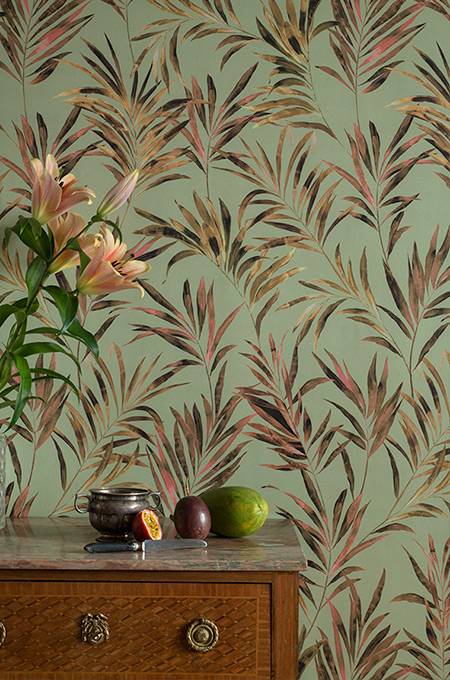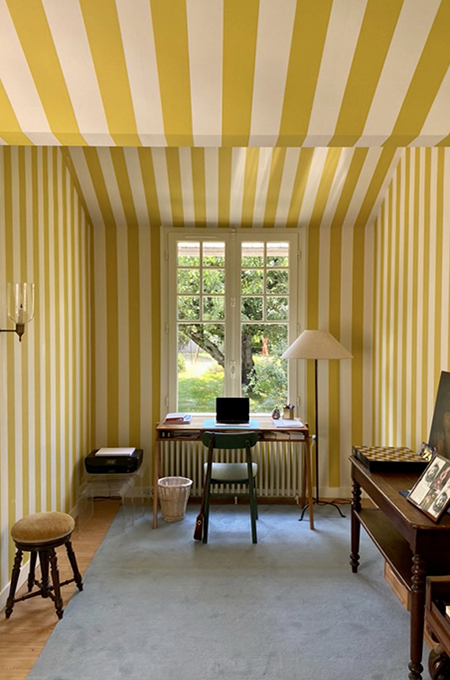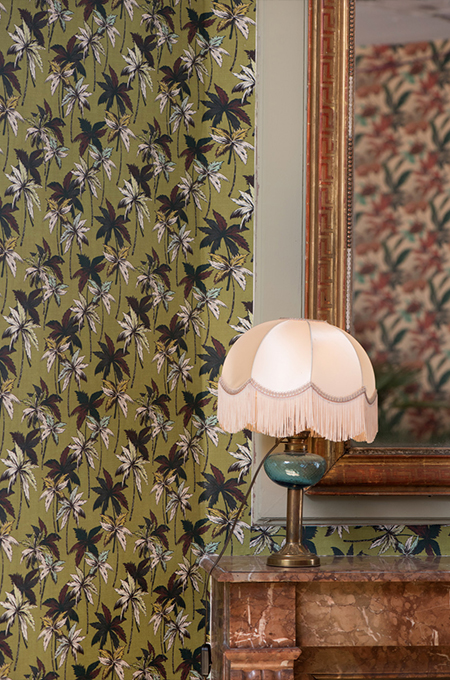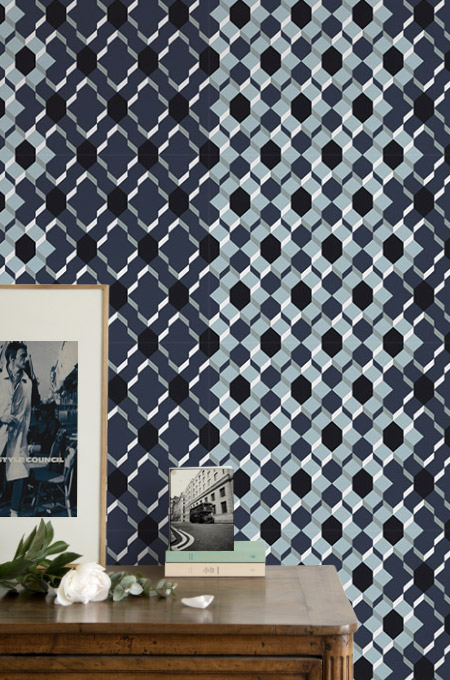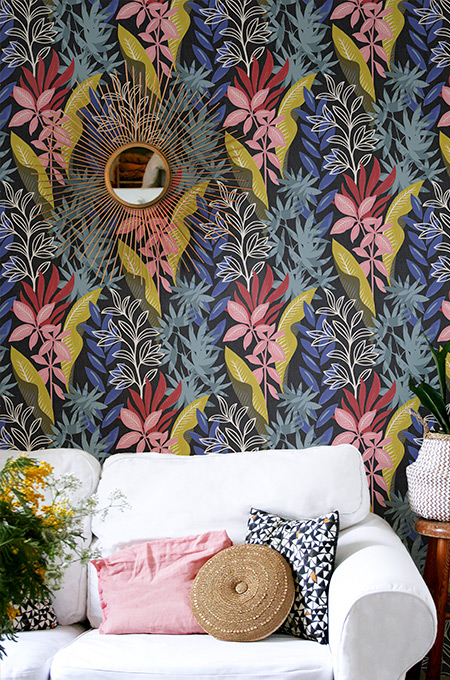
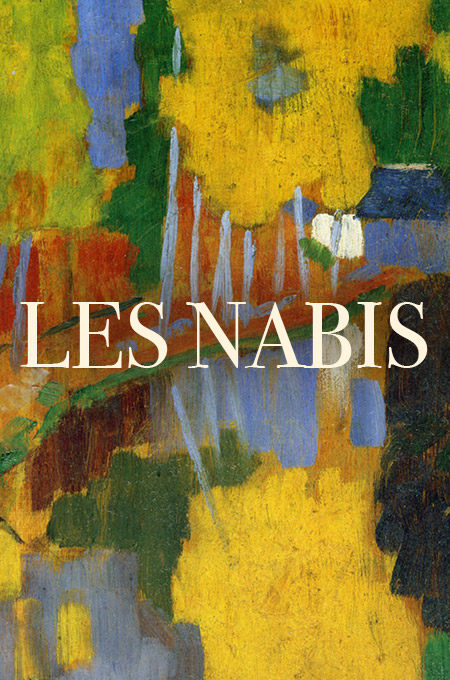
The Nabis Collection
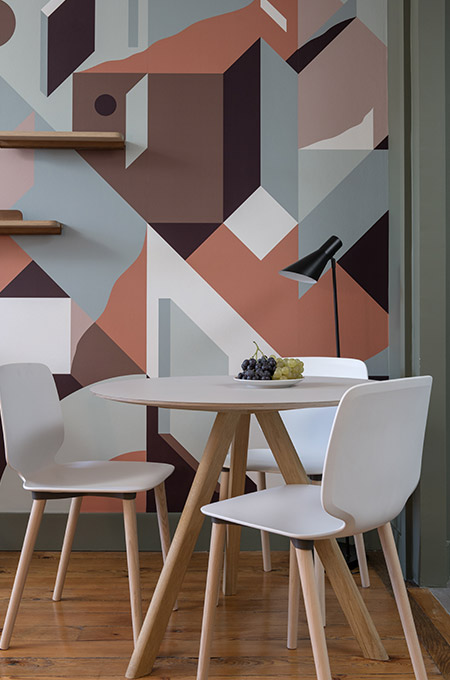
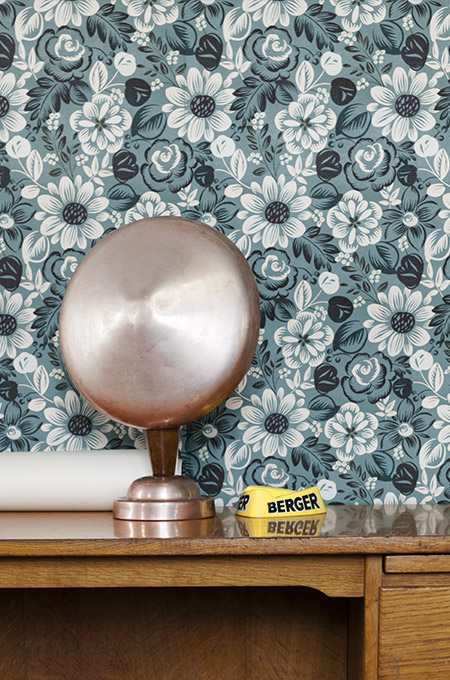
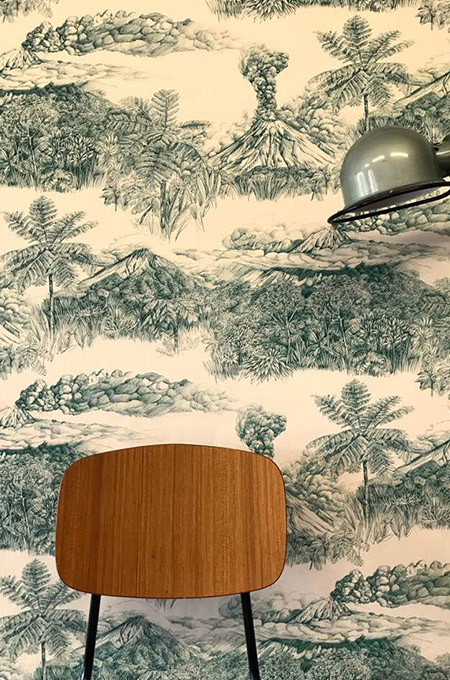
At the heart of our work as artisans lies an inexhaustible passion for art, expressed here through the publication of works by those who believed in a total art: the Nabis.
The result of our patient research, meticulous restoration of original works, and extremely fruitful collaborations with the BNF), the Vallotton Foundation, the Maurice Denis Museum , and the Quimper Museum of Fine Arts, we are delighted to share with you the first models in this guest collection.
“Prophets” in Hebrew, symbolists, passionate about esotericism and spirituality, trained within the Julian Academy, the Nabis numbered five: Paul Sérusier, Maurice Denis, Pierre Bonnard, Ker-Xavier Roussel, Paul-Elie Ranson, later joined by Edouard Vuillard.
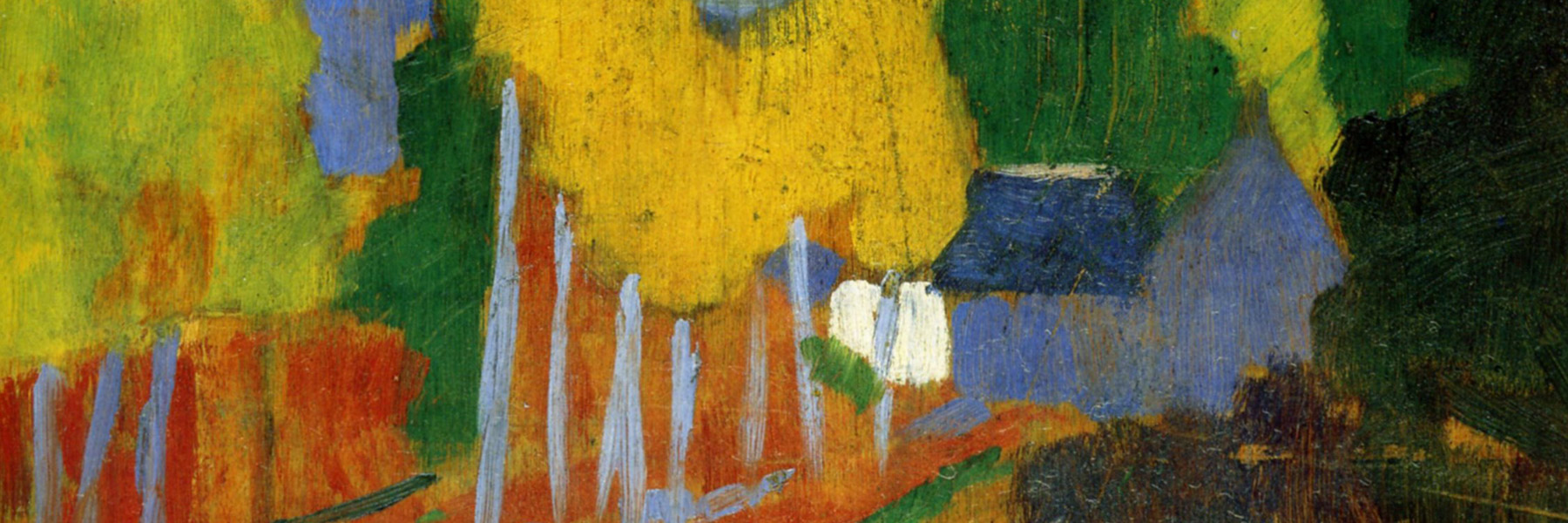
A pivotal moment: the meeting between Paul Sérusier and Paul Gauguin in Brittany. The master of Synthetism inspired Sérusier, showing him that he could detach himself from reality and give free rein to his instincts in painting.
Following in Gauguin's footsteps, who combined form, color, and the expression of the artist's feelings, the Nabis would break free from certain constraints, use color in all its possibilities, disregard perspective, and place the artist's sensibility at the center.
Enthusiasts of Japonisme, seeking to abolish the boundary between Fine Arts and Applied Arts, in the spirit of William Morris's Arts and Crafts movement or the Bloomsbury Group, the Nabis were painters, but also decorators, set designers, and tapestry cartoonists.
Iconoclastic, innovative, and brimming with boundless creativity, this eclectic group allowed each of its members to reveal a unique universe. It is this artistic and inventive freedom that still resonates today and has touched the hearts and minds of Presse Papier, whose workshops perpetuate an interpretation of beauty in all its forms, skillfully blending erudition and handcraft, art and art.