Indian Textiles & Wallpaper
2000 years before our era, the history of Indian women begins.
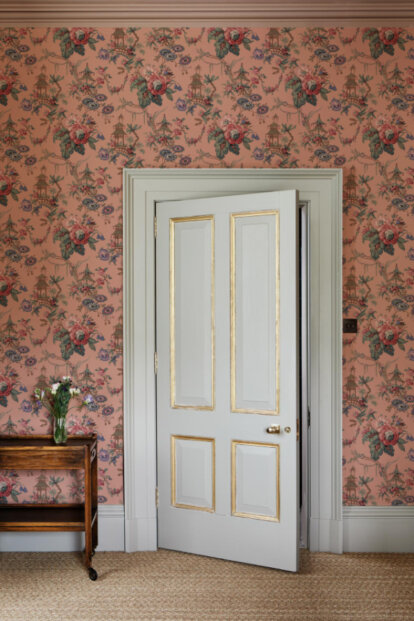
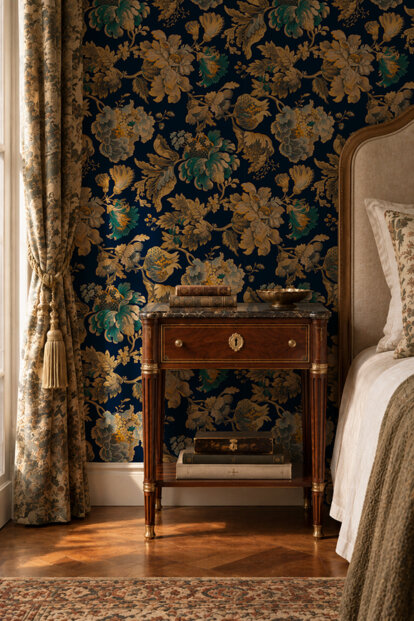
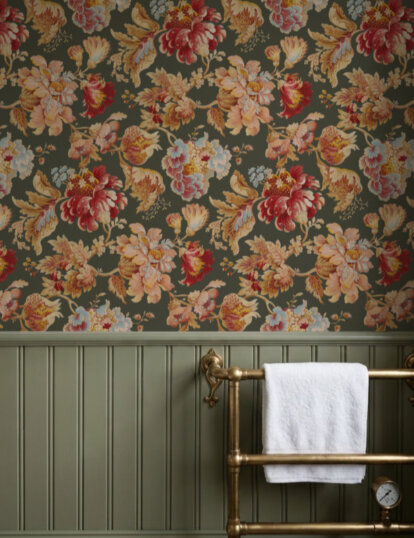
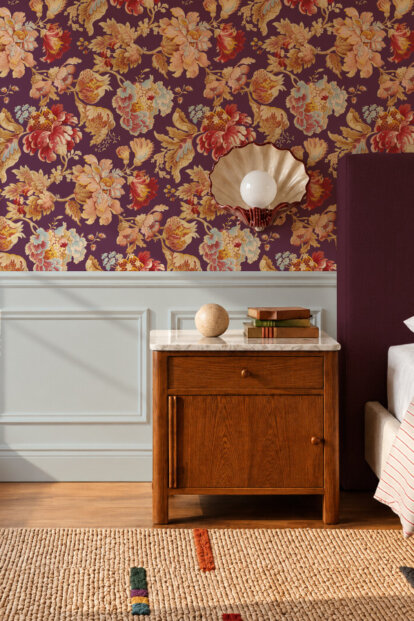
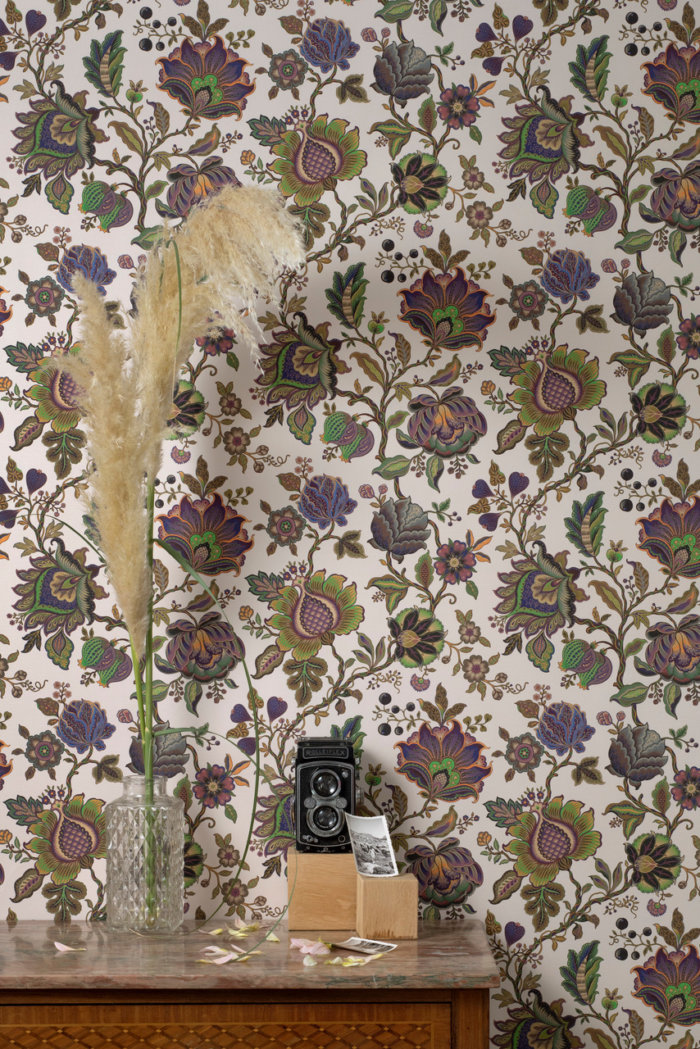
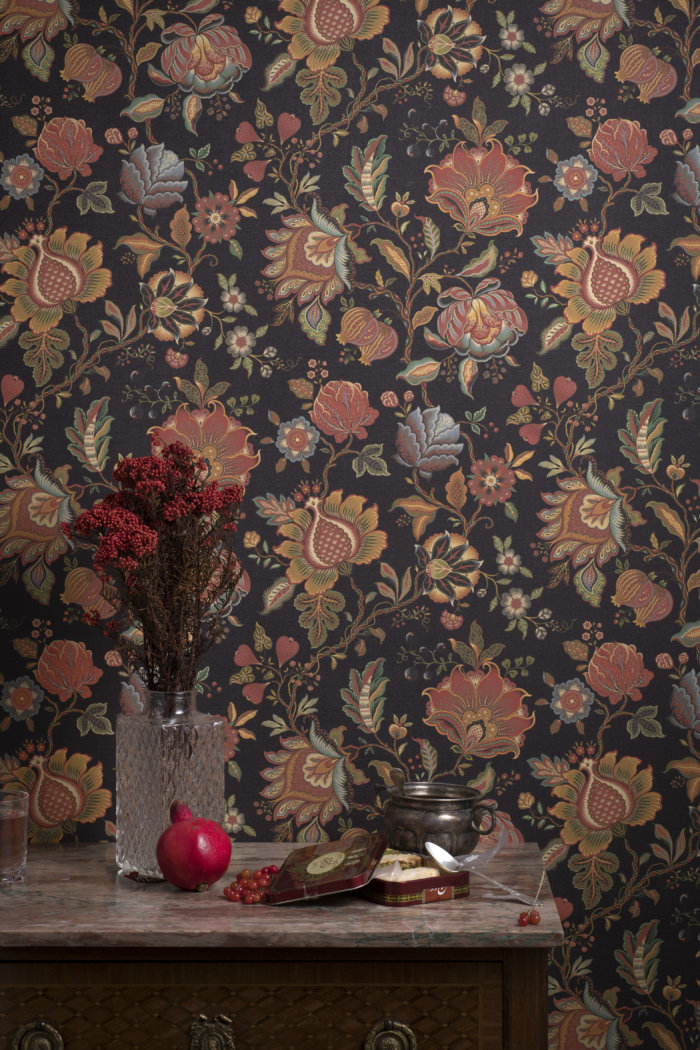
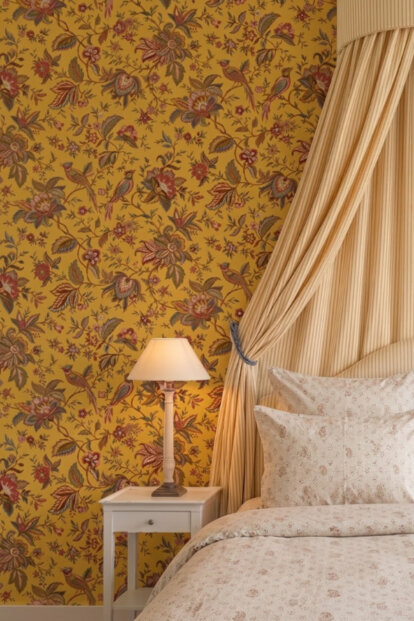
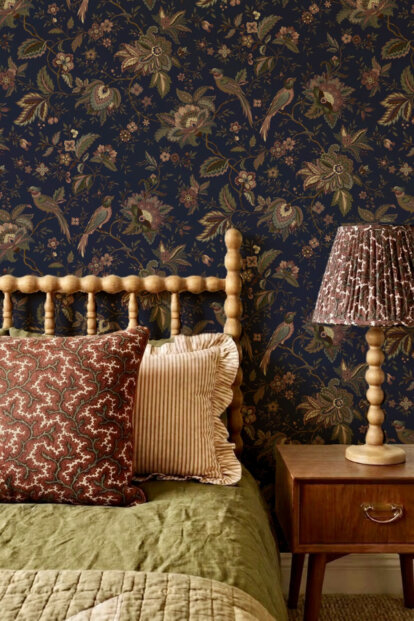
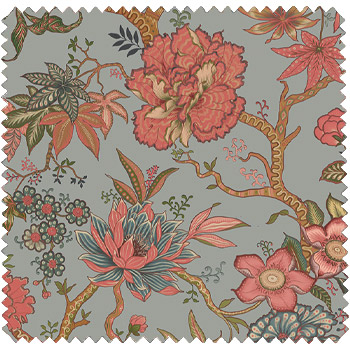
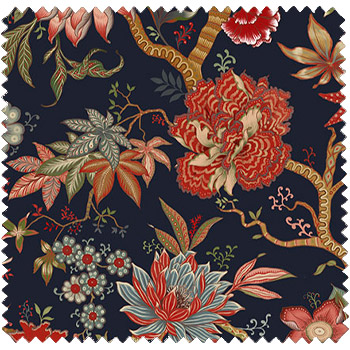
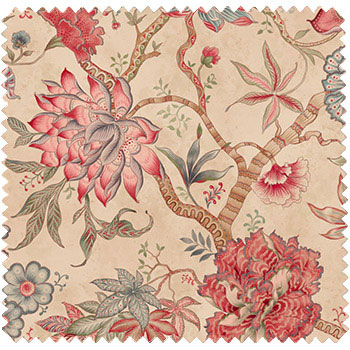
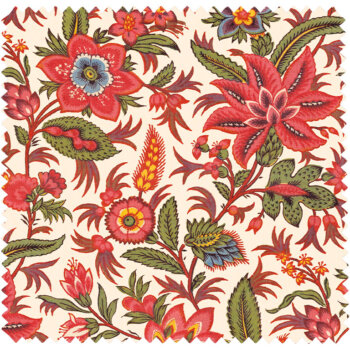
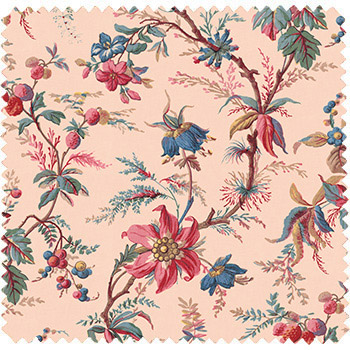
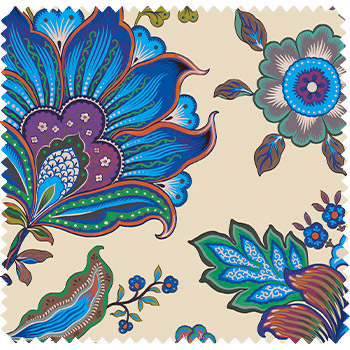
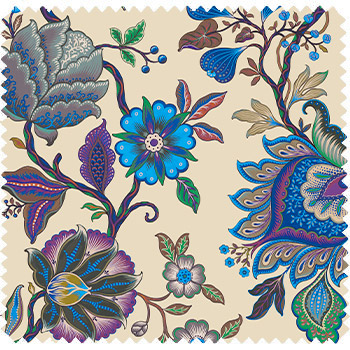
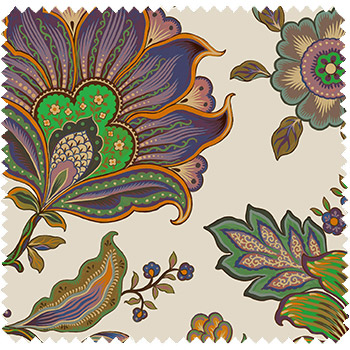
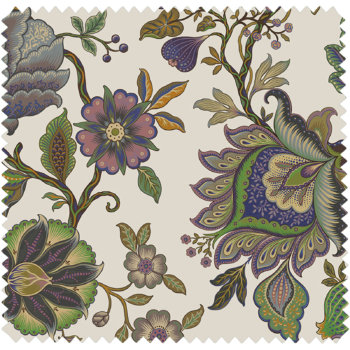
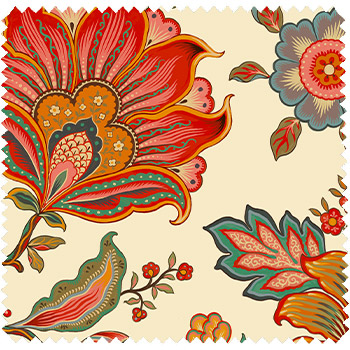
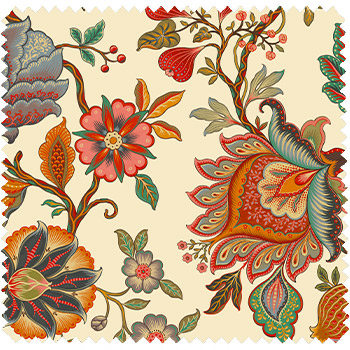
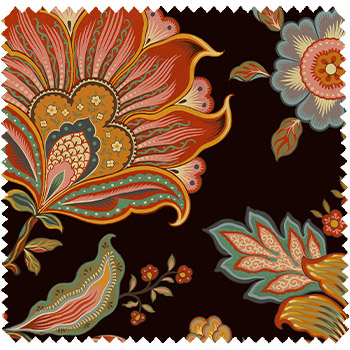
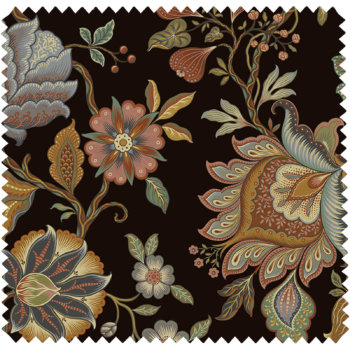
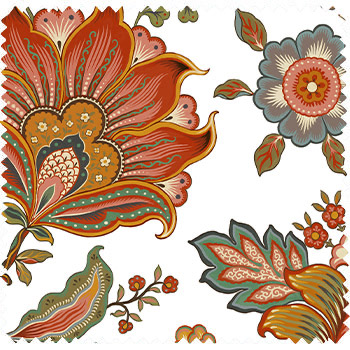
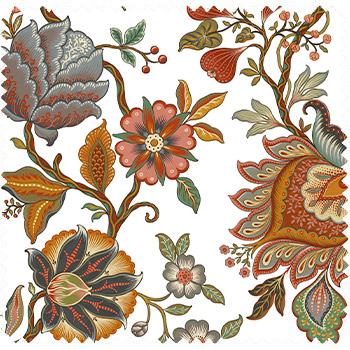
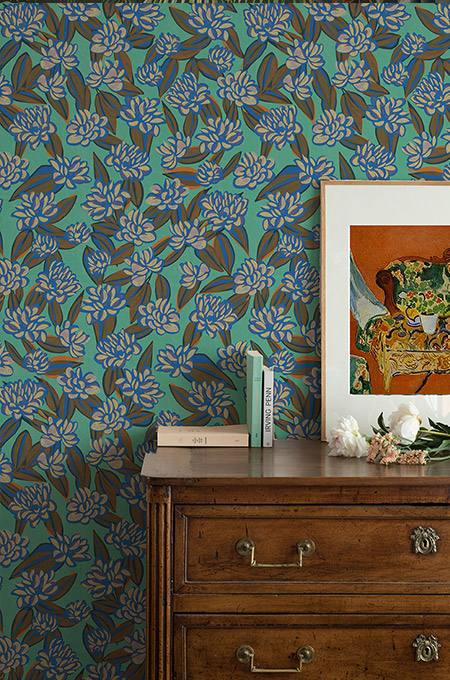
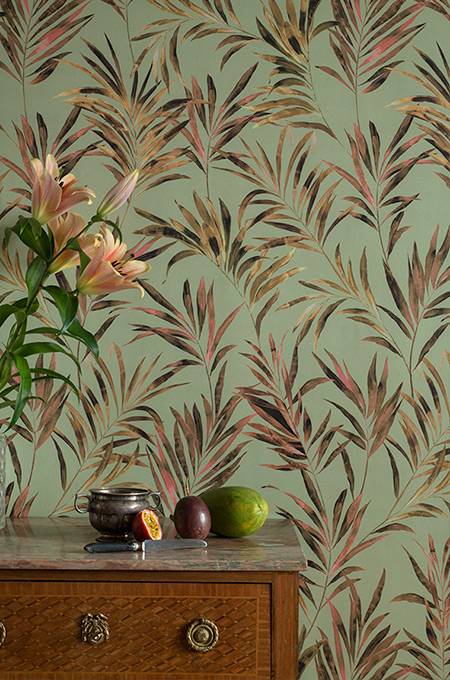
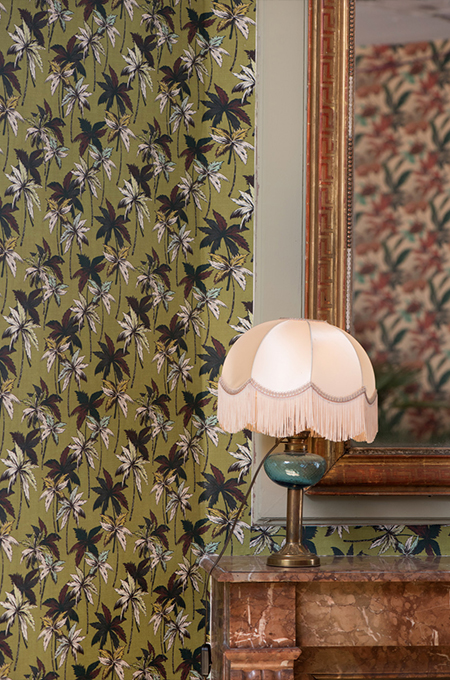
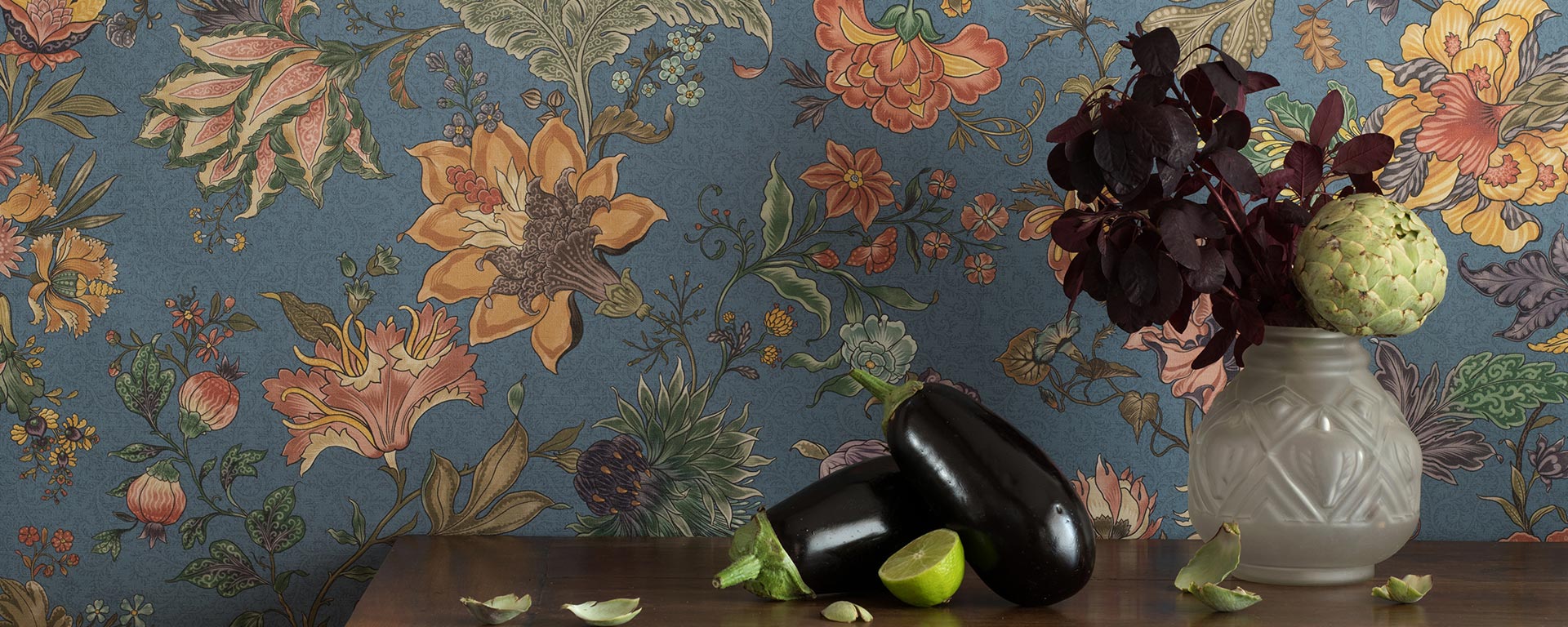
These are printed cotton fabrics in bright colors, the shades of which are fixed by an empirical process. The patterns are generally geometric, flowing, composed of imaginary plants or modeled on the lush vegetation of the Orient.
The increase in trade relations between India and Europe, particularly thanks to the creation of the East India Company in the 17th century, allowed for the development of a taste for exoticism among Westerners, but also for the forging of formal links between East and West in the production of patterns for the manufacture of fabrics.
The immense success of the textiles resulting from this cultural syncretism led to discontent among the weaving artisans, including the Lyon silk weavers, who were weakened by this competition, and resulted in their prohibition.
In 1759, printed cotton fabrics were legalized: Mulhouse, then Lyon, Paris… began producing their own textiles. Marseille, a symbolic location linking continents, a hub for the importation of fabrics from the Levant and benefiting from free port status, became one of the first centers of printed cotton production, due to its location but also to the pronounced Provençal taste for these imported cotton fabrics.
The lightness, exuberant patterns, and vibrant colors of Indian fabrics have ensured their enduring success. Even today, our workshops maintain this exceptional expertise through original creations.